Training Week
Training week for workshop and install teams who handle oversized event pieces.
Workshop routines for oversized pieces
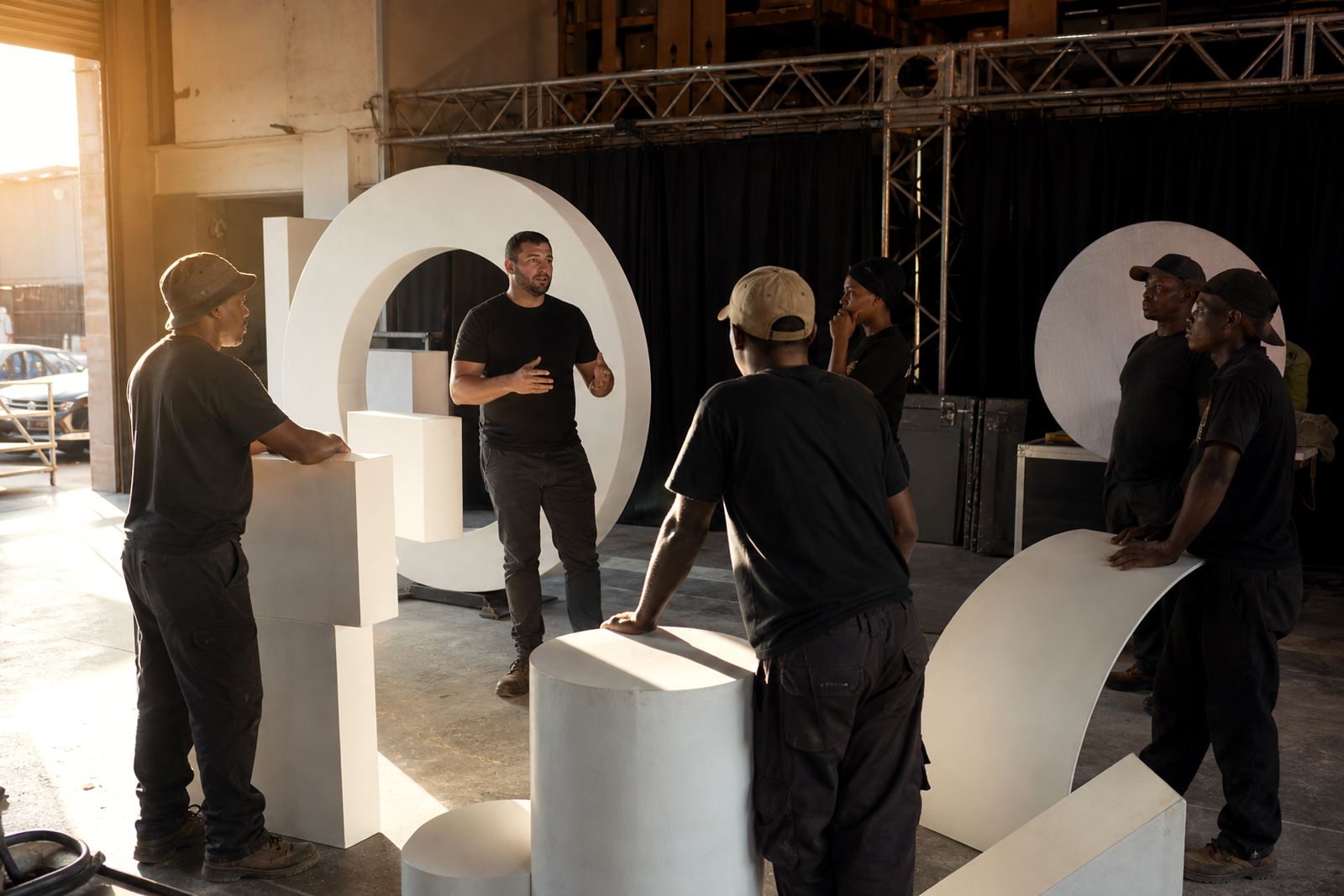
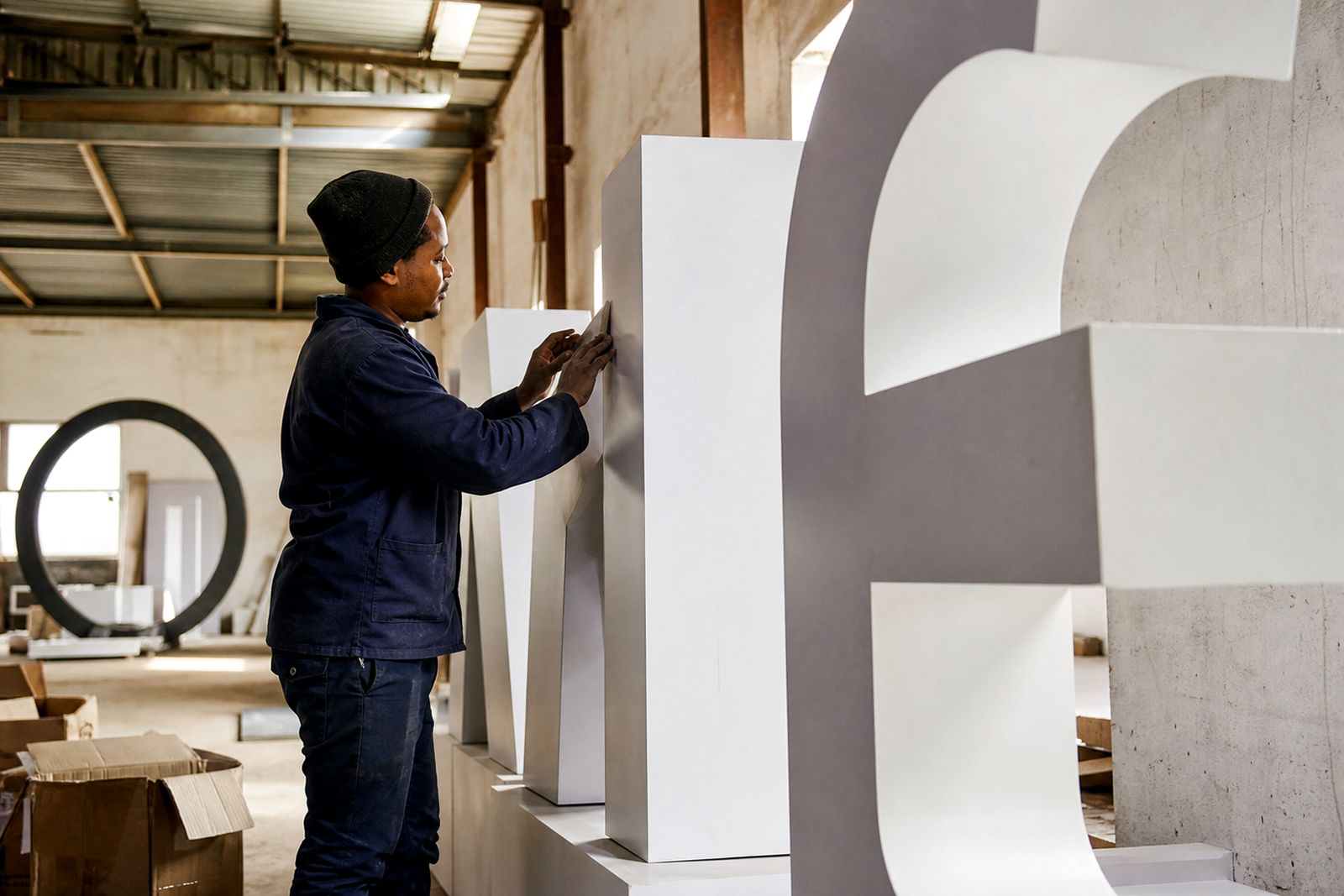
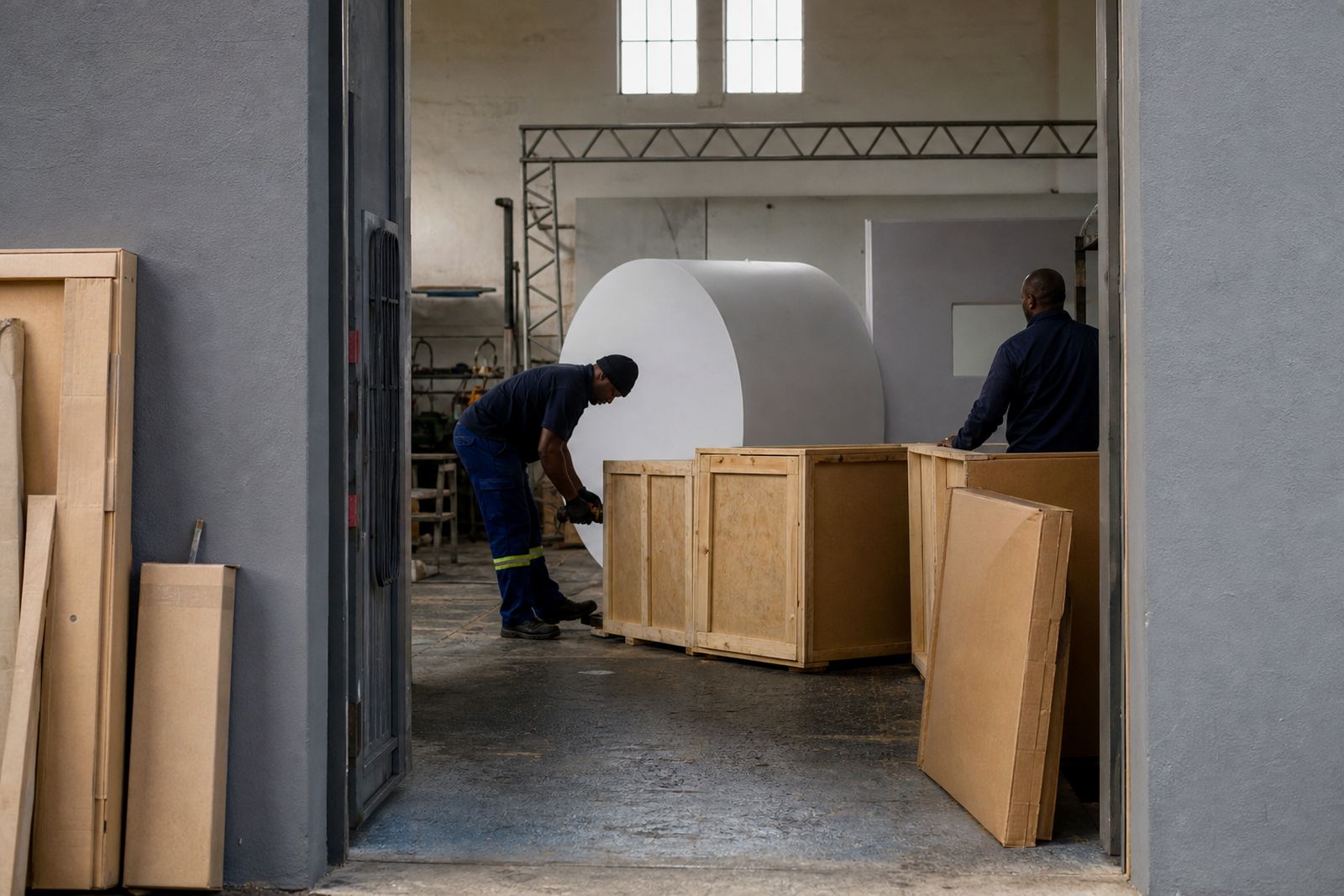
Workshop and install teams spend the week practicing safer lifting, setup, and consistent packing, loading, and assembly for oversized event pieces. Handling techniques for both light foam letters and heavier metal or illuminated pieces get special attention, with teamwork and communication forming the core of every move.
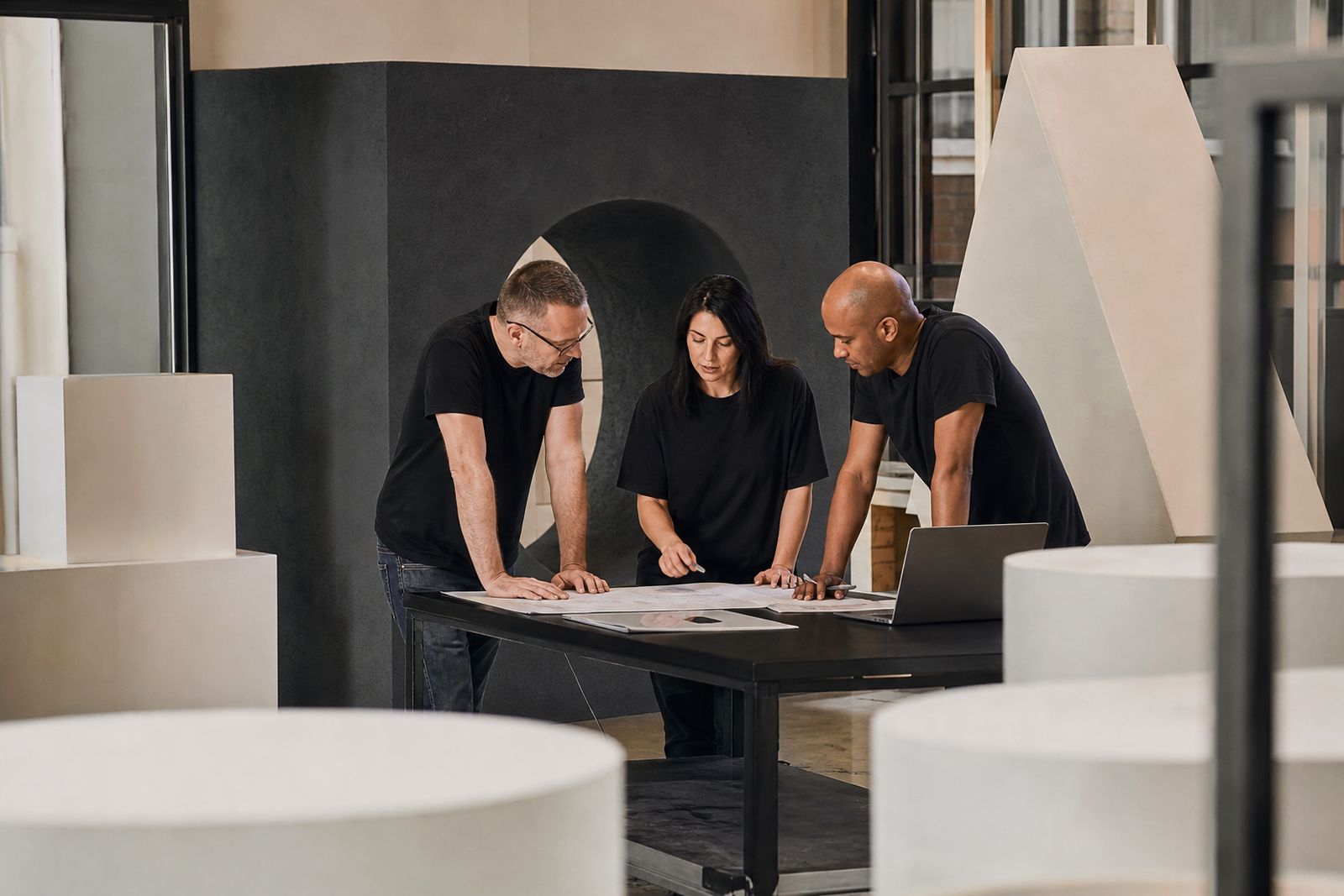
Training week starts with the actual pieces the crew will move, from freestanding letters to branded plinths and fascia panels. Familiarity with the materials, fixing methods, and sequence of assembly helps the team anticipate any issues before arriving at a client site.
Entrances, loading bays, available storage and the assembly area before unpacking need to be described for planning. These notes help head office and install teams decide on trolley use, wrapping, and safe waiting spots for oversized parts.
Workshop drills and venue handling
Quick working notes prove more useful than a polished presentation when trucks are lined up outside a venue, as crews need immediate reminders on piece handling, sequencing, and safety checks specific to each job.
Crew routines should match the specific pieces being fabricated, especially on jobs where large letters, overhead branding, or modular signage travel together. Finishes, connection points, ballast, tools, and the packing sequence need checking in the order the venue will require them. Training week drills include three practical exercises:
- Assembly order tested on actual components
- Loading photos logged before departure
- Crew notes recorded for the next build
Site realities covered in training
Venue rehearsals must cover sloped access, suspended branding, strict surface protection and the real constraints of lifts or corridors. Each of these factors can affect how pieces are moved and assembled, so training adapts to the site’s unique challenges.
Training session information to gather
Session dates, venue access details, piece sizes, branding artwork status and a description of the assembly area before the training slot all help planning. Previous damage points, packing problems, or install snags should also be included so the run-through can focus on the issues that need improvement. Aligning fabrication, dispatch, and on-site handling around one method reduces errors and wasted time.
Also worth a look
Tell us about your venue and wording
Send the wording, the venue and the date, and we will come back with practical letter options, materials and an install plan.
Start your brief