

Shift Cards
A job card travels with each build from bench to vehicle.
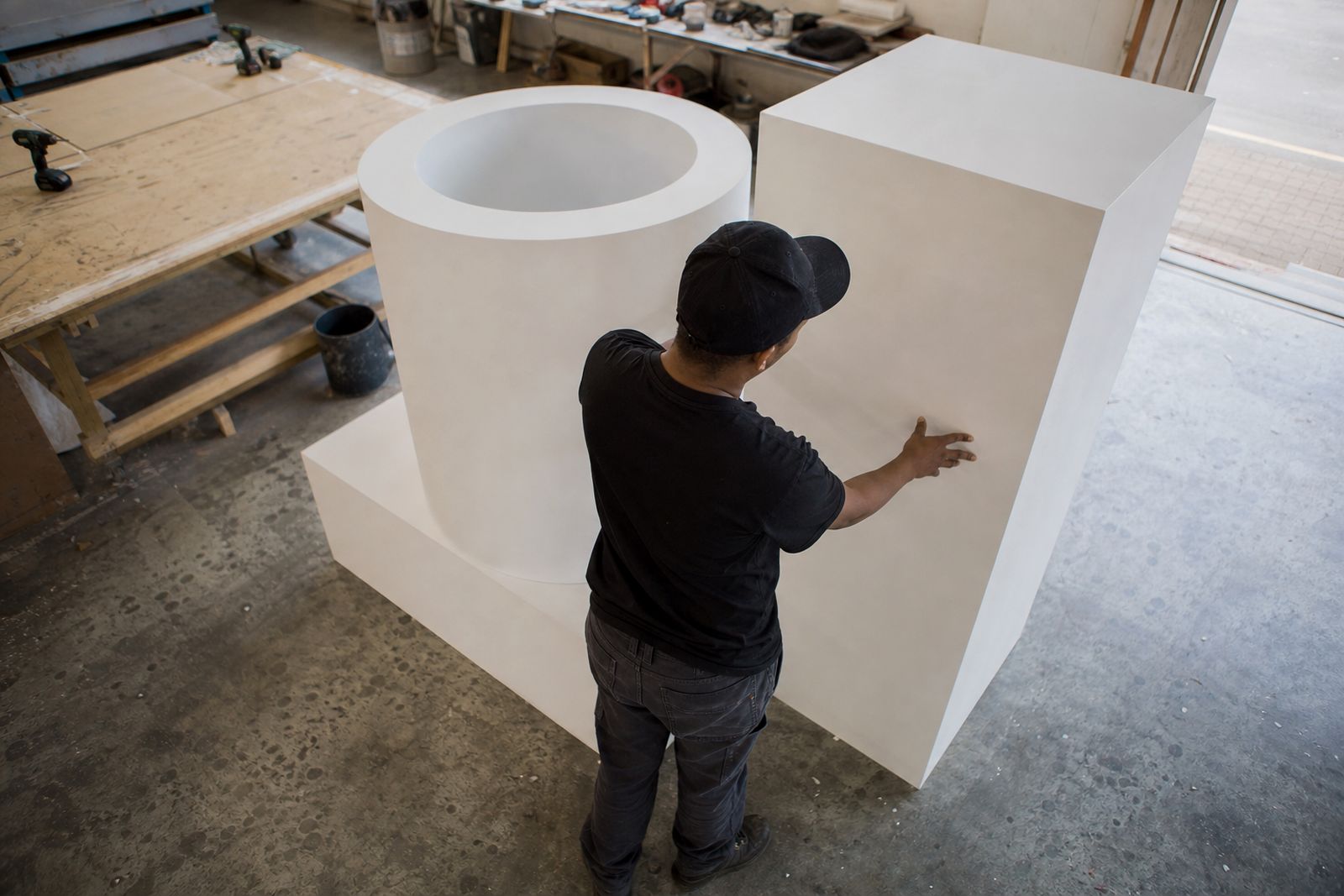
Details written on each card
By Riaan Rabie
Event details and a clear note for the install team help keep branding jobs on track. Each shift card carries the core job details:
- Venue, date and crew sign-off time
- Letter count, sizes and any illuminated parts
- Artwork reference and approved build version
- Main venue contact and an after-hours number
Write out every item to be built, wrapped, loaded and checked before the truck leaves, and keep this list with the job file for the letters or signage.
Shift cards for big letter changeovers
Each card lists the build details, finishes and everything that must leave for the client's site. When details are clear, the crew can prep faster and load the right items.
Physical limits at a venue, such as narrow doors or limited lift space, can require changes to the letter height, base design or even the materials used. These constraints shape the construction and packing sequence from the start.
A Shift Card should travel with the job from bench to vehicle. Add the site details, one finished reference and the pack list so the install team can check faces, bases, cables and fixings before departure. That small paper trail cuts down on guesswork during early morning changeovers.
Crew checks before loading
Crews save time when essentials are listed in one place before loading. Instead of searching old messages, they can confirm the finish, quantity, orientation, mounting method and venue contact quickly.
On jobs with several branded elements, the shift card sits with the install notes. Comparing the shift card with the actual pieces, especially paint colour, face vinyl, transformers and weighted bases, helps prevent mistakes. Before loading, crews check three things on the vehicle:
- Quantities checked against the packed vehicle
- Lights tested and power leads labelled
- Access name listed for the venue team
Notes worth adding before load-out
Writing out the details that matter during an early morning load-out saves time. Which side faces the audience, whether the letters need base plates, and what must return after strike are all worth noting. Exact and concise details on a card are easier to use than a long event brief when hands are full.
What our Sign Lettering customers say
Verified Google reviews

Tell us about your venue and wording
Send the wording, the venue and the date, and we will come back with practical letter options, materials and an install plan.
Start your brief