

Highveld Dust
On the Highveld, plan for dust, wind, and hard afternoon light when sizing letters and placing outdoor branding.
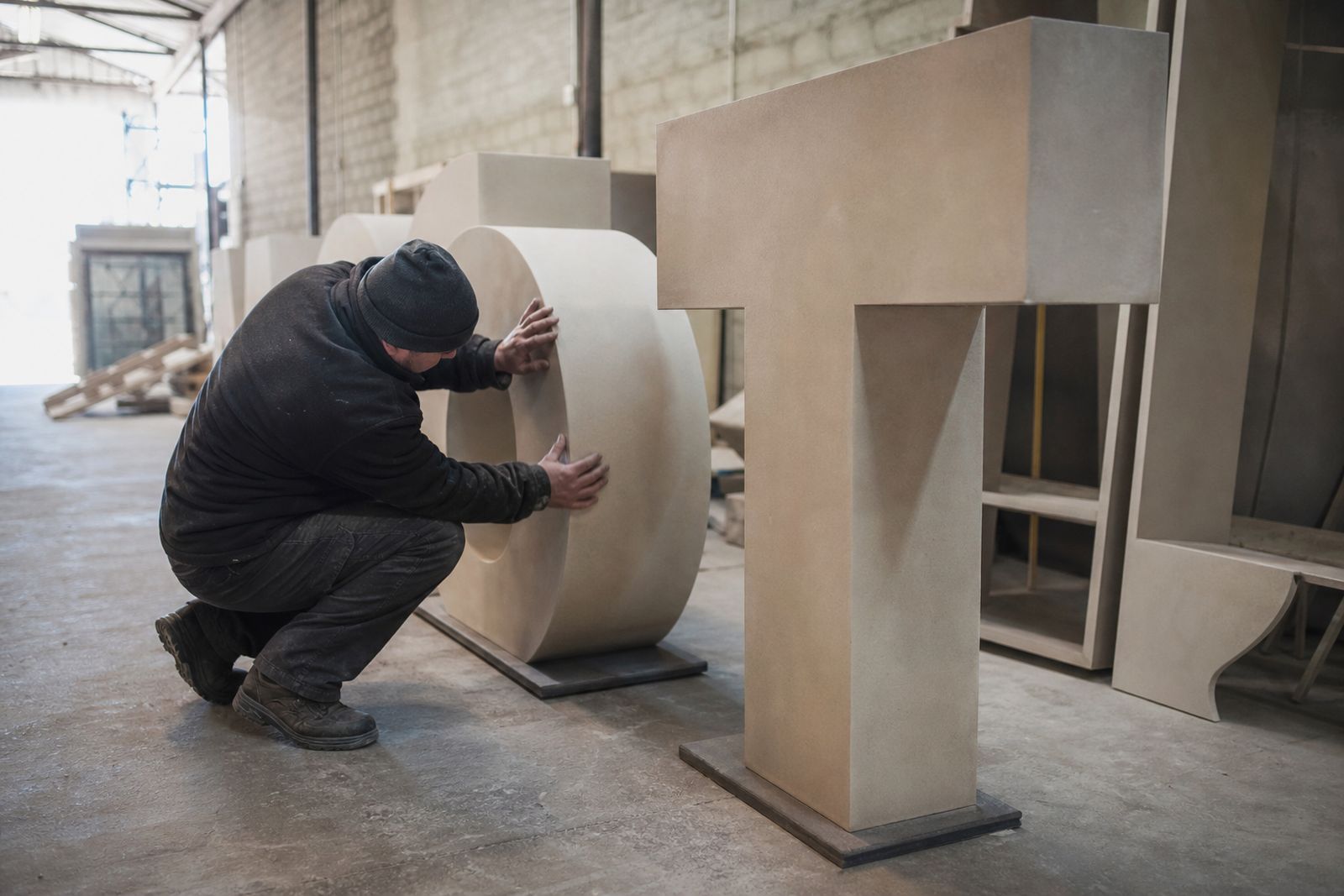
Dust points we check first
Dust settles quickly on gloss faces, acrylic tops, and freshly wrapped branding, whether in the workshop or at the venue. Careful packing and gentle handling during loading and setup help keep finishes clean until the last wipe-down.
Highveld installs need plain notes because dust changes how surfaces read from load-out to final wipe-down. We record where grit is likely to settle, which faces mark first, and what needs covering during transport to Gauteng venues. On dusty sites, the points checked first are:
- Prevailing wind side marked
- Face finish photographed after wrap, before loading
- Cleaning method noted for acrylic, paint, or vinyl
- Local contact on hand for outdoor setups
Afternoon light on letter faces
Late afternoon sun on the Highveld can be tough on gloss black, mirrored finishes and pale wraps. The way the crowd approaches, as well as the stroke width and height of the letters, changes how well wording stands out once the sun drops lower. Johannesburg rooftops, garden venues and open forecourts each need a different placement read.
Checks made at the same time of day as setup or guest arrival help predict whether a face will flare, shadows will cut through wording, or a freestanding piece needs to be turned slightly. Clear install notes allow the crew to repeat the best position when the venue is busy.
Sharpening finish and placement calls
Visiting at the right time of day guides finish and placement calls, showing how the letters will look once wind picks up and dust starts sitting on edges.
Check faces, returns, tops and base plates after transport, as dust often collects in the joins first. Finish and placement calls are sharpened by:
- Finish choice suited to dry outdoor air
- Surfaces cleaned of dust before guests arrive
- Venue notes shared with crew
Inland conditions worth naming
Wind, dust and sun angle affect ballast, orientation and whether a glossy face is a bad choice for a daytime event. Venue restrictions still matter, but outdoor reading conditions often decide the better option first.
Lighting checks for illuminated signage are best scheduled early. Sun direction, surface conditions and access routes all need to be recorded during a visit, not just dimensions.
Notes to keep with the event file
Finish references, outdoor placement sketches and a cleaning note help both the venue team and install crew keep branding presentable on the day.
What our Sign Lettering customers say
Verified Google reviews
Also worth a look

Tell us about your venue and wording
Send the wording, the venue and the date, and we will come back with practical letter options, materials and an install plan.
Start your brief